AI-Powered Assistance: AI smart glasses answer questions, interpret surroundings, translate conversations, and support tasks, whereas traditional models mainly manage phone calls, music playback, and alerts.
Voice Interaction: Modern AI eyewear comprehends natural-language prompts and contextual queries, whereas conventional smart glasses typically depend on simplistic commands and fixed functions.
Camera Intelligence: AI-driven glasses can evaluate captured visuals, recognize objects, and explain the environment, whereas older camera-enabled variants are largely restricted to shooting photos and videos.
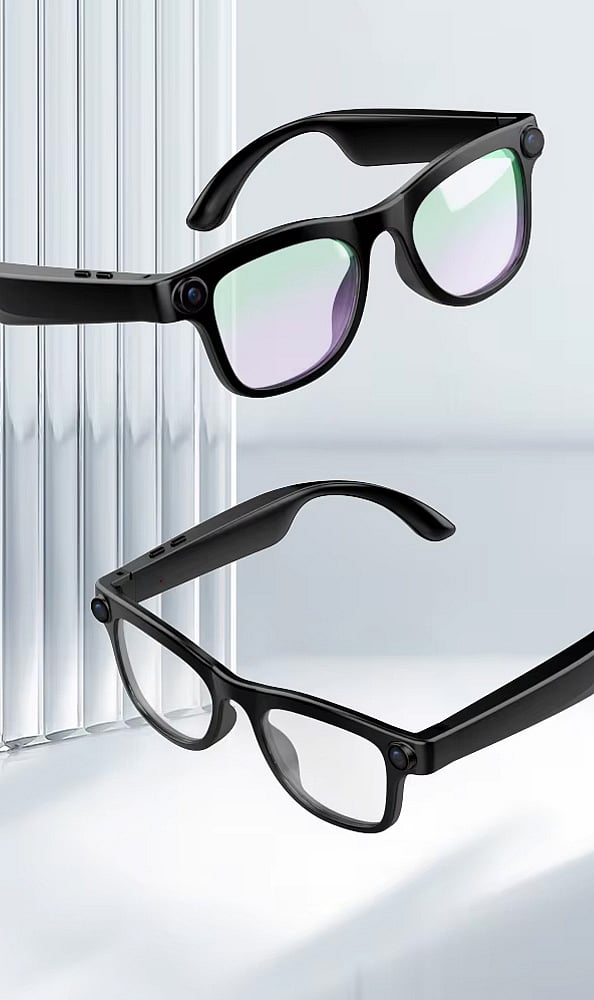
Real-Time Translation: AI smart glasses frequently facilitate live dialogue translation and reading help, while legacy models usually feature minimal or nonexistent translation tools.
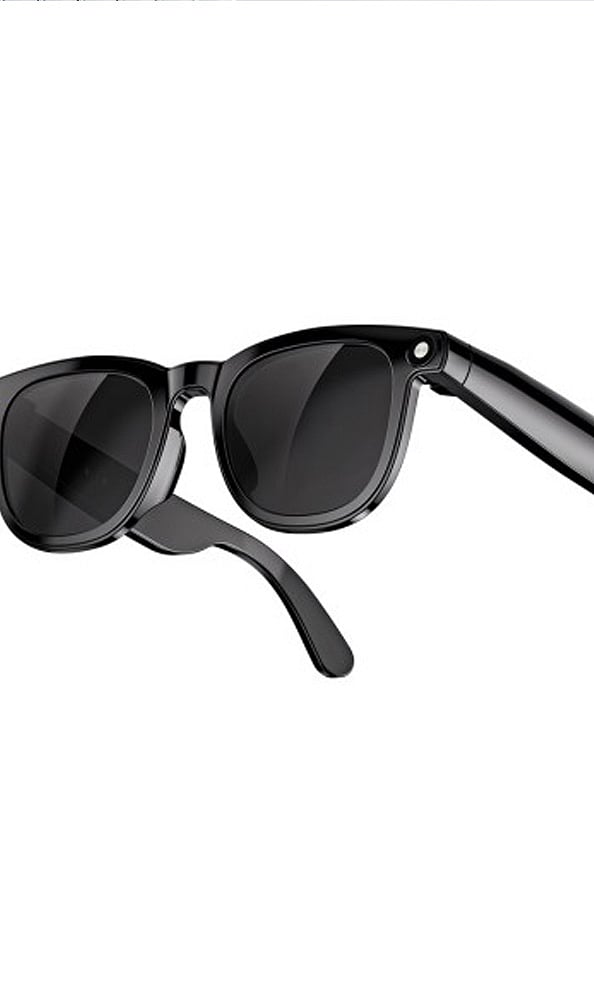
Navigation Support: AI models deliver verbal guidance and context-driven recommendations, whereas standard models generally rely on smartphone mapping notifications or linked apps.
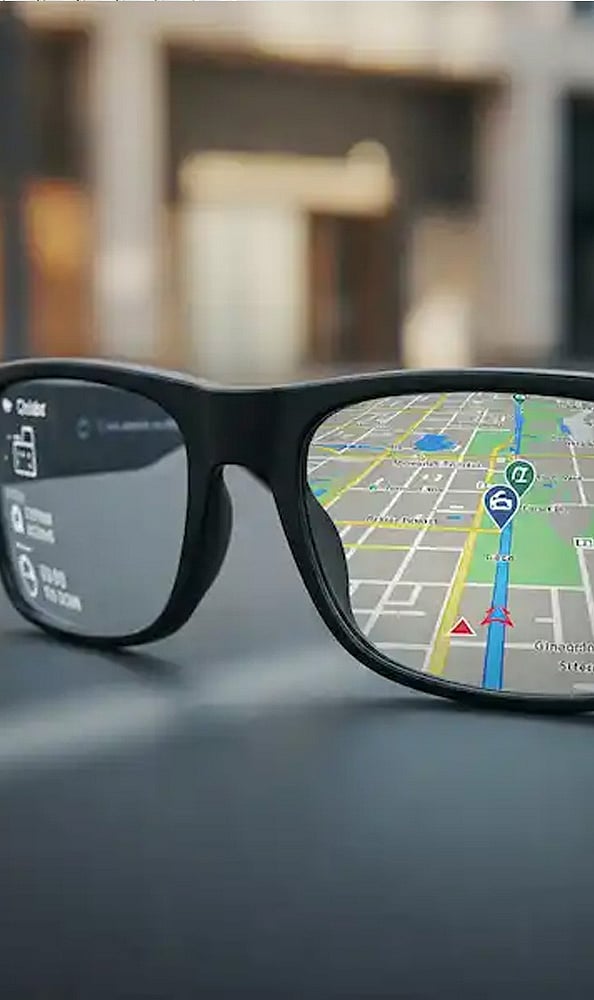
Personalised Experiences: Intelligent assistants tailor replies based on user prompts and situational context, whereas traditional smart specs provide standardized features with minimal smart engagement.
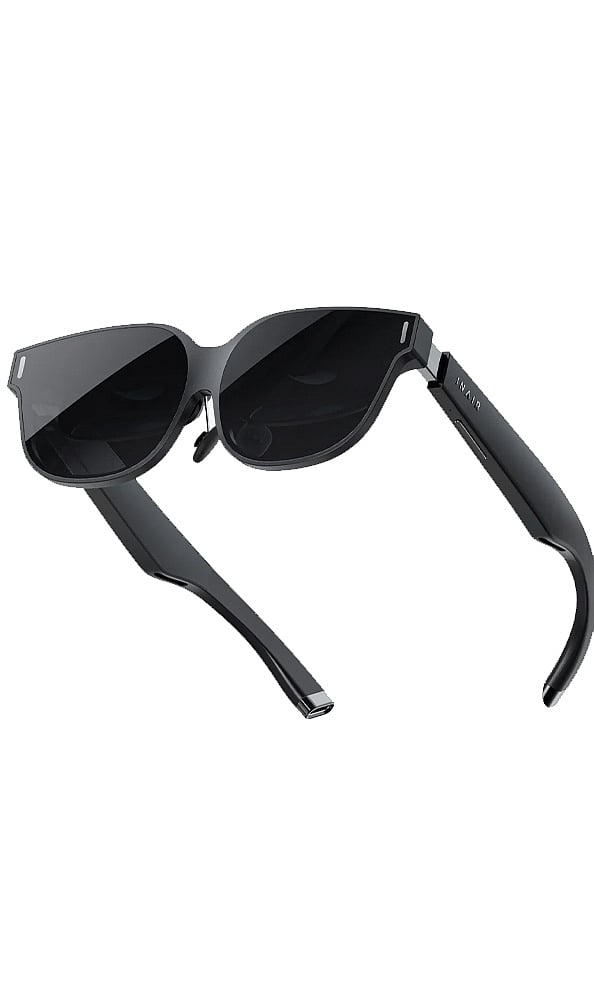
Battery Performance: Recent AI specs feature enhanced battery life and diverse charging choices, though constant camera operation, media streaming, and machine-learning processing can drain power faster.
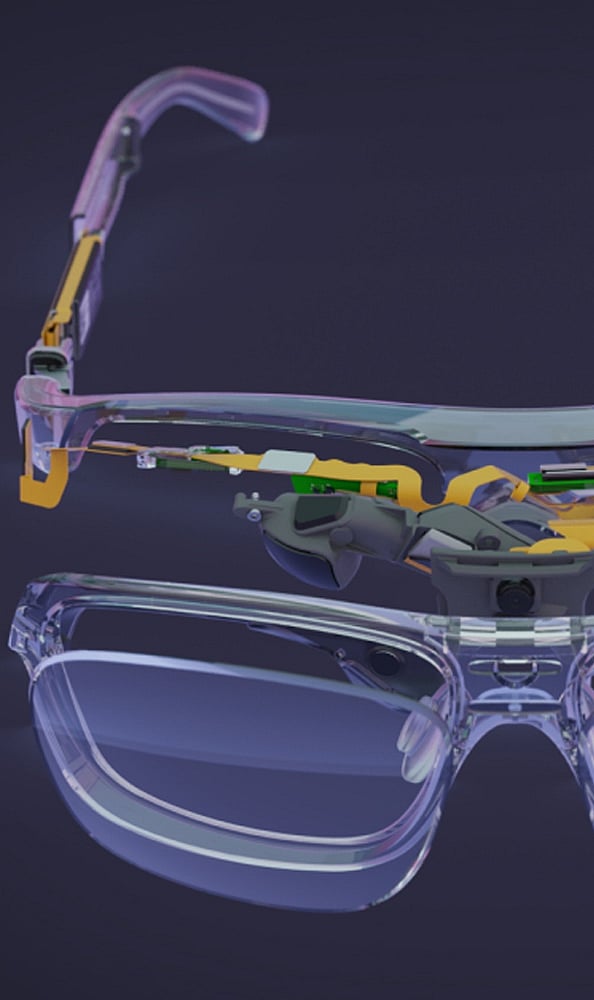
Privacy and Security: AI eyewear introduces heightened worries regarding captured environments and handled personal data, rendering recording lights, user permissions, and mindful operation ever more critical.
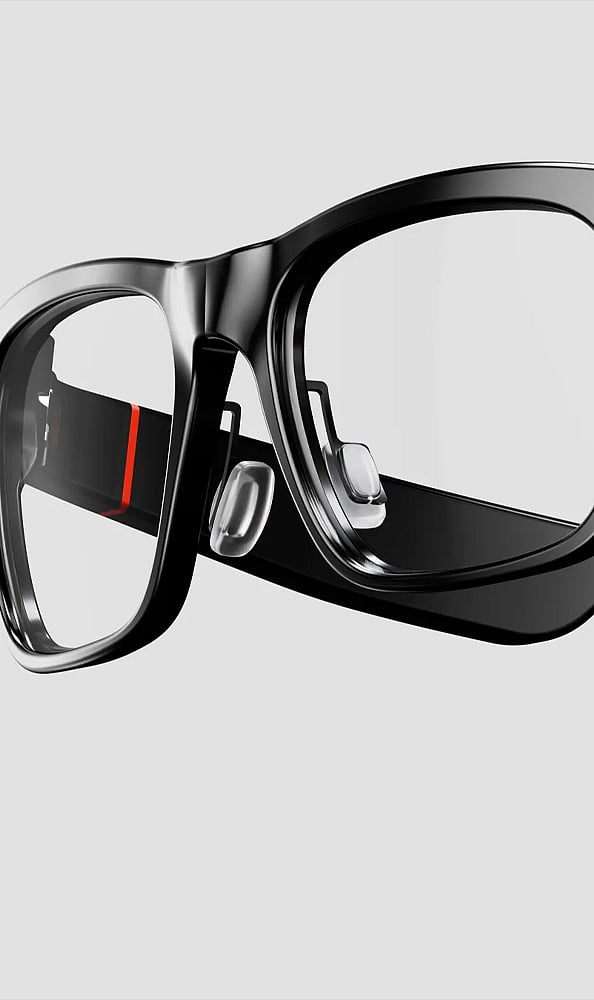
Everyday Practicality: AI glasses progressively merge messaging, photography, translation, and utility features, while older smart glasses continue to serve well for basic connectivity and standard hands-free operations.

Read More Stories!

Join our WhatsApp Channel to get the latest news, exclusives and videos on WhatsApp