Essential Business Models Every Entrepreneur Must Understand
Explore essential business models every entrepreneur must understand, including subscription, freemium, marketplace, franchise, direct-to-consumer, advertising, and affiliate marketing frameworks for building sustainable ventures.
By charging customers on a weekly, monthly, or yearly basis for ongoing access to products or services, the subscription model produces recurring revenue. Enterprises like Netflix, Spotify, and various software firms rely on this framework. Founders gain from dependable income, deeper bonds with clients, and enhanced forecasting capabilities, though they must consistently provide value to minimize cancellations.
Freemium Business Model
The freemium framework provides standard services at no cost while billing users for premium upgrades, additional storage, or sophisticated tools. Organizations such as Canva and Dropbox utilize this tactic, which assists startups in drawing in broad audiences without requiring an initial monetary commitment. Creators need to strike a careful balance between complimentary features and paid incentives to drive upgrades and achieve lasting growth.
Marketplace Business Model
Linking buyers with sellers via a centralized platform, the marketplace model brings in money through transaction fees, commissions, or listing charges. Examples of this method include Amazon Marketplace, Airbnb, and Etsy. Business owners are able to scale operations without taking ownership of every single item or real estate asset, though establishing trust, drawing in participants on both sides, and upholding service standards remain critical for enduring viability.
Franchise Business Model
The franchise approach grants entrepreneurs the right to run a business under an established trademark utilizing its proven operational system, goods, and standards. Typically, operators pay upfront costs and continuous royalties in exchange. Prominent examples comprise McDonald’s and Subway. While this strategy delivers instant brand awareness and tested workflows, operators must abide by strict contractual terms and carefully monitor operating expenses.
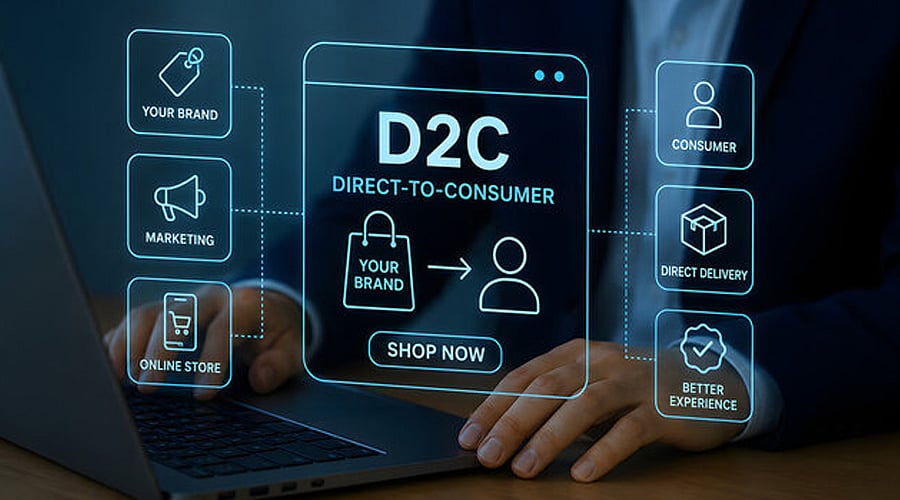
Direct-to-Consumer (D2C) Business Model
Via websites, applications, or proprietary storefronts, the direct-to-consumer model enables brands to market goods directly to shoppers. This cuts down reliance on standard retail intermediaries, empowering companies to maintain a tight grip on brand identity, pricing, and consumer connections. Founders can gather valuable client insights to refine their marketing strategies, though they are tasked with managing fulfillment, client support, and customer acquisition costs.
Advertising-Based Business Model
Monetization in the advertising-based model comes from showcasing paid ads to consumers across digital networks, web pages, videos, and mobile apps, with Google and YouTube serving as prime illustrations. Founders can provide complimentary content or utilities to pull in crowds. Achieving viability relies heavily on user engagement, advertiser interest, quality content, and the ethical management of consumer data.
Affiliate Marketing Business Model
The affiliate marketing framework secures commissions by endorsing third-party goods or services via specialized tracking links, paying out revenue when users finalize eligible purchases or actions. Influencers, bloggers, and specialized web projects frequently adopt this strategy. Innovators can launch operations with minimal inventory overhead, but triumph depends on cultivating audience trust, offering pertinent suggestions, and driving consistent traffic to websites or social media channels.
Join our WhatsApp Channel to get the latest news, exclusives and videos on WhatsApp